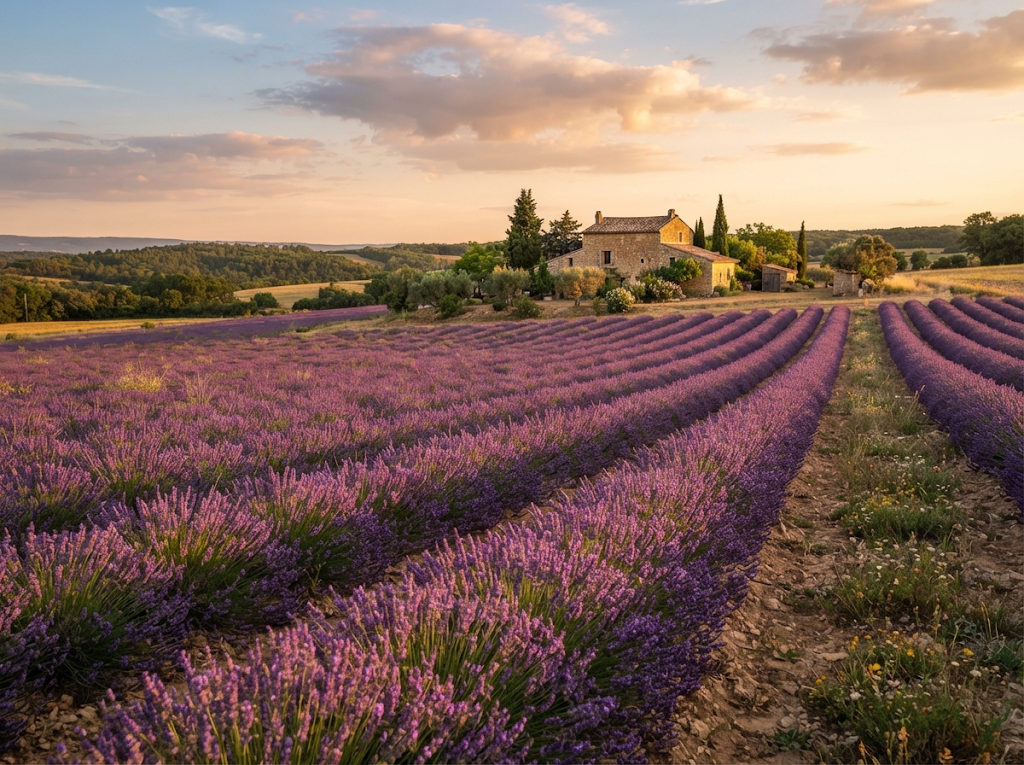
Each July the lavender fields of Provence turn the hills of southern France into long purple stripes, and thousands of visitors arrive with cameras, picnic baskets and a few French phrases learned on the plane. Family farms that distil lavender oil, sell honey or rent out stone cottages now welcome guests from Britain, the United States, Australia and Canada. A farm can have the most beautiful fields in the region and still lose a booking because the guest could not understand the arrival instructions, the price list or the cancellation rules. This article looks at the English side of lavender tourism and shows how small rural businesses can speak clearly to guests who do not speak French.
What Visitors Need to Know Before They Arrive
Most guests plan their trip months ahead. They search for the best time to see the fields, the nearest village, the distance from the airport and the rules for visiting working farms. A farm website in clear English answers these questions before the guest has to ask. Mention that the flowering season depends on altitude and weather, usually between late June and early August, and explain that harvest dates change from year to year. Visitors appreciate honesty more than promises.
Directions That Actually Work
Rural addresses in France are often a name of a hamlet or a farm, and navigation apps do not always find them. Write directions in English in short steps, based on landmarks that remain stable, such as a church, a roundabout, a bakery or a bridge. Add a note about narrow roads, gates and parking. Photos of the last turn save the owner many phone calls, and a guest who arrives calm is a guest who leaves a good review.
Cottage Rules and House Information
Holiday cottages need a short guide. It should explain the heating, the water supply, the waste sorting, the quiet hours, the use of the pool and the way to reach the owner in an emergency. Avoid copying a French text word by word, because a literal version often sounds cold or confusing. Instead, write simple instructions in the voice of a friendly host. Terms such as gite, chambre d'hote and taxe de sejour deserve a brief explanation in English.
Working with a Professional Translator
Many farms start with a free machine translation, then discover that the result confuses guests. A better path is to work with a specialist who offers english to french translation services and who understands rural tourism. Give the translator your menu of services, your house rules, your booking terms and a list of local words you prefer to keep. A good translator will also tell you where an English reader needs a short cultural note, for example about market days or lunch hours when shops close.
Prices, Taxes and Booking Terms
Guests want to know the full price. State what is included, what is charged separately, how the tourist tax is calculated and when the deposit is returned. Use the same currency format on every page and avoid fractions of explanation that appear only in the small print. Cancellation conditions should be written in plain English, with examples. A short table of dates and refund percentages is easier to follow than a long paragraph.
Selling Products from the Farm
Lavender farms often sell essential oil, soap, sachets, honey and dried bouquets. Product labels in English help international buyers who want to take gifts home or order online. Describe ingredients, quantity, origin and storage in plain terms, and check the rules for cosmetics and food in the buyer's country. For a related topic on language pairs, see this article on French to English translation, which explains the difficulties that appear when French text moves into English.
Guided Tours and Distillery Visits
Some farms offer a tour of the distillery, where visitors see copper stills and learn how flowers become oil. Prepare a script in English with clear steps, short sentences and a few words in French for atmosphere. Avoid technical terms without explanation. A visitor who understands the process is more likely to buy a bottle at the end and to recommend the farm to friends.
Protecting the Land and the Name
Provence lavender is linked to local traditions and to labels that protect regional products. The European Commission explains how geographical indications work on its page about geographical indications and quality schemes. When you describe your products in English, use the official names correctly and avoid claims that your label does not support. Accurate wording protects the reputation of the whole region.
Reviews, Emails and Social Media
Guests write reviews in English, and farms should answer them politely and promptly. Prepare a few template answers for common situations, such as thanks for a positive review, an apology for a problem or an explanation of a rule. Keep the tone warm and personal. In emails, state the date, the number of guests and the price in the first lines, and confirm every detail in writing.
A Small Checklist for the Season
Before the season begins, check your website, your cottage guide, your price list, your labels and your answers to common questions. Ask a native English speaker who has never visited the farm to read them and mark anything unclear. Update the pages after each season with lessons learned. Clear English will not make the lavender bloom earlier, but it will make every guest feel welcome from the first message to the last goodbye at the gate.